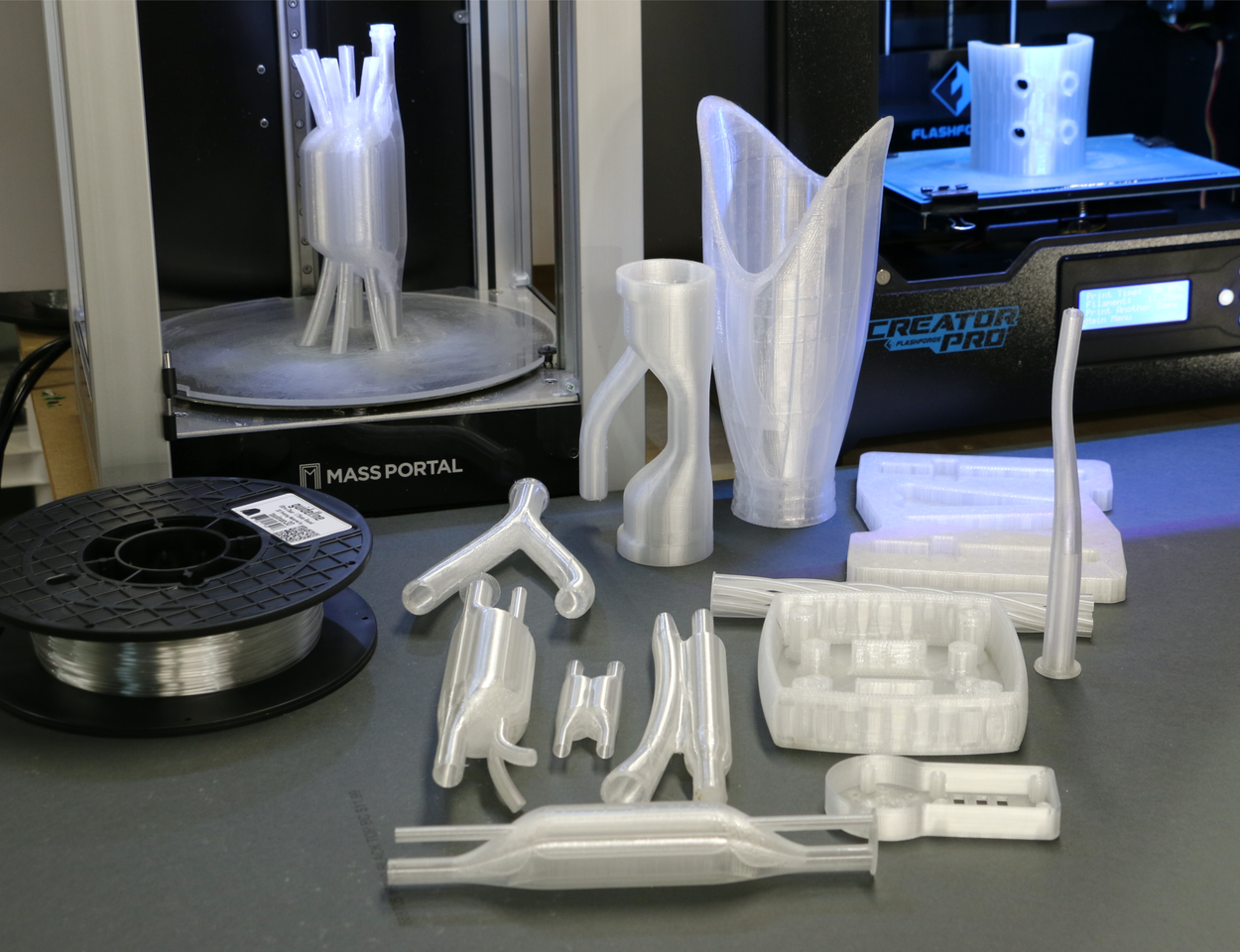
This subforum is dedicated to PETG (Polyethylene Terephthalate Glycol-modified), a versatile and beginner-friendly 3D printing material that combines the strength of ABS with the ease of use of PLA. Known for its durability, chemical resistance, and water-resistant properties, PETG is ideal for a wide range of functional and outdoor applications.
What You Can Discuss Here:
Material Properties: Learn about PETG’s excellent impact resistance, flexibility, and ability to handle outdoor exposure.
Applications: Share how PETG is used for functional parts, mechanical components, enclosures, and weather-resistant projects.
Printing Techniques: Get advice on achieving strong layer adhesion, reducing stringing, and ensuring smooth, glossy prints.
Printer Compatibility: Discuss which printers and setups work best with PETG, including heated beds and direct-drive extruders.
Settings & Optimization: Share tips on ideal print temperatures, cooling settings, and bed adhesion methods for PETG.
Troubleshooting: Solve common issues like stringing, oozing, or poor first-layer adhesion.
Project Showcase: Show off your PETG prints and inspire others with your functional and durable designs.
Whether you’re just starting out or refining your technique, this subforum is your go-to resource for mastering PETG. Join the conversation, ask questions, and share your knowledge!