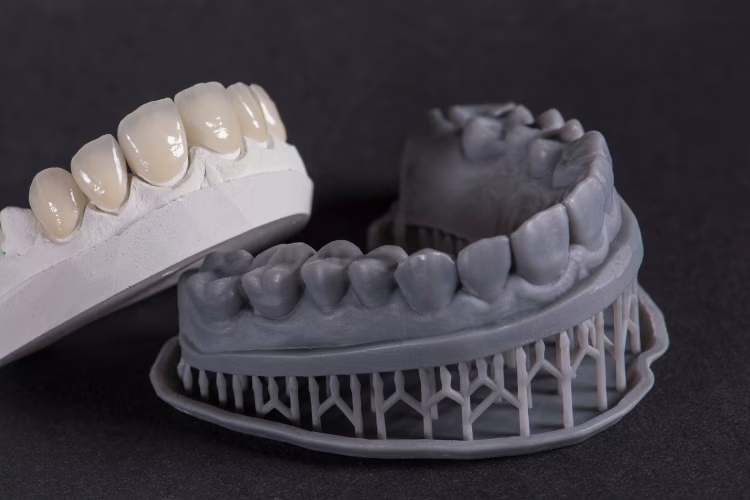
This subforum is dedicated to discussing dental 3D printing materials and applications, a rapidly growing area in the fields of dentistry and orthodontics. From custom dental models and surgical guides to dentures and aligners, 3D printing is revolutionizing dental care by offering speed, precision, and cost-effectiveness.
What You Can Discuss Here:
Materials for Dental Printing: Explore biocompatible resins for surgical guides, castable resins for crowns and bridges, and durable materials for dentures and orthodontic appliances.
Printing Techniques: Learn how SLA, DLP, and other technologies are used to achieve high precision and smooth surfaces in dental applications.
Applications: Share insights on creating custom dental models, surgical guides, retainers, and aligners.
Post-Processing: Get advice on curing, polishing, and sterilizing dental prints for clinical use.
Printer Compatibility: Discuss the best 3D printers for dental applications, including specialized machines for dental labs.
Troubleshooting: Solve challenges like achieving tight tolerances, avoiding print failures, or maintaining biocompatibility.
Project Showcase: Display your dental models and tools, and inspire others with your innovative applications.
Whether you’re a dental professional, technician, or just exploring the possibilities of dental 3D printing, this subforum is your place to connect, learn, and innovate. Join the conversation and help shape the future of digital dentistry!