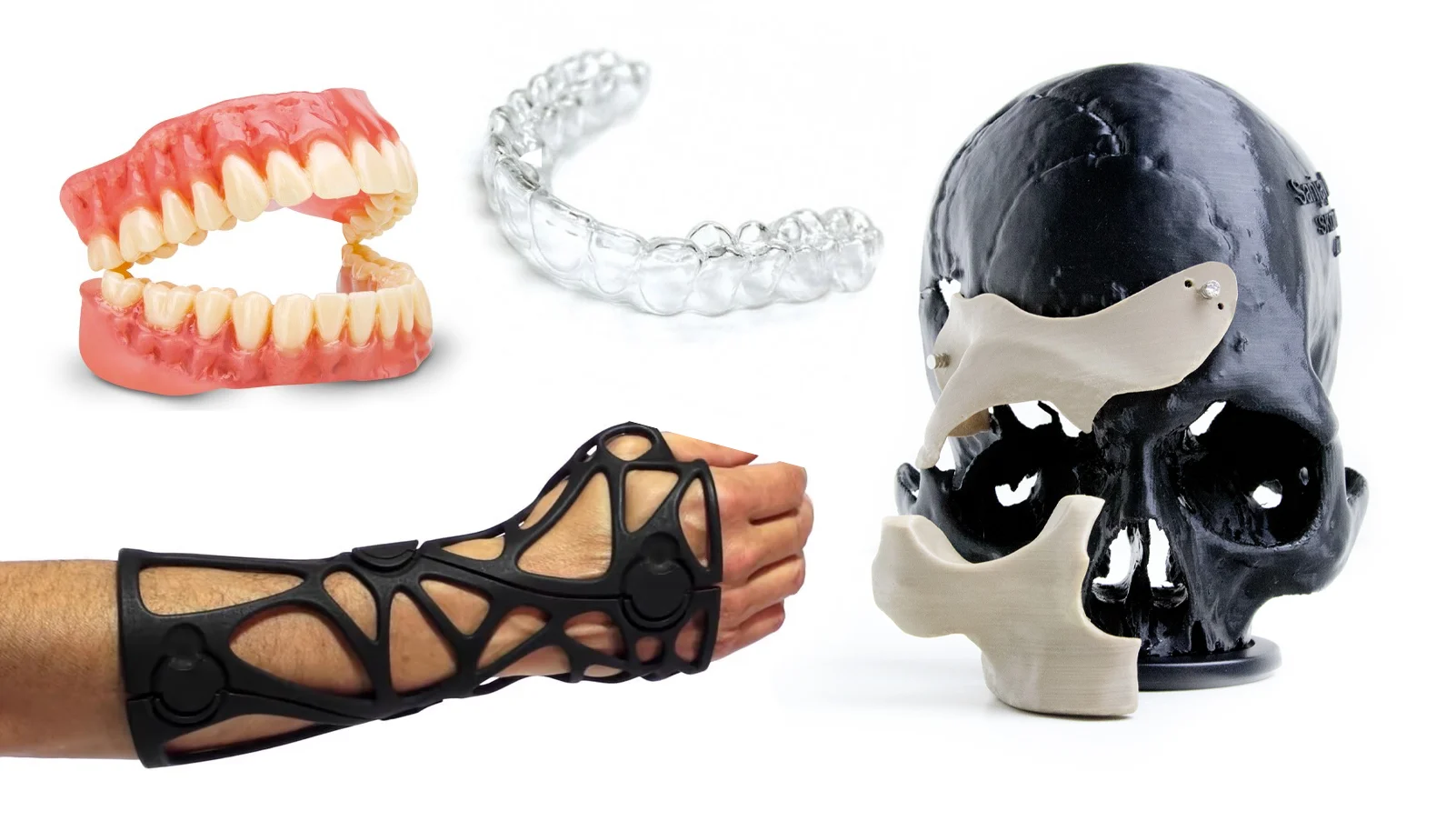
This subforum is dedicated to discussing biocompatible 3D printing materials, essential for applications in healthcare, dental, and wearable devices. These materials are specifically designed to be safe for contact with the human body, whether for short-term or long-term use. If you’re working on medical prototypes, custom implants, or even food-safe projects, this is the place to connect and learn.
What You Can Discuss Here:
Material Properties: Explore the characteristics of biocompatible materials, including flexibility, sterilizability, and skin safety.
Applications: Discuss uses such as surgical guides, dental models, prosthetics, hearing aids, or food-grade tools.
Material Recommendations: Learn about common biocompatible options like resins, medical-grade filaments, and specialized composites.
Printer Compatibility: Share insights on which printers and settings work best with biocompatible materials.
Post-Processing & Sterilization: Get advice on techniques for cleaning, curing, and sterilizing biocompatible parts.
Troubleshooting: Solve challenges like maintaining material integrity during printing or achieving the required precision for medical applications.
Project Showcase: Highlight your biocompatible prints and inspire others with innovative healthcare or wearable designs.
Whether you’re new to biocompatible materials or working on advanced projects, this subforum is here to help you succeed. Join the conversation, ask questions, and share your expertise in this exciting and impactful field!